
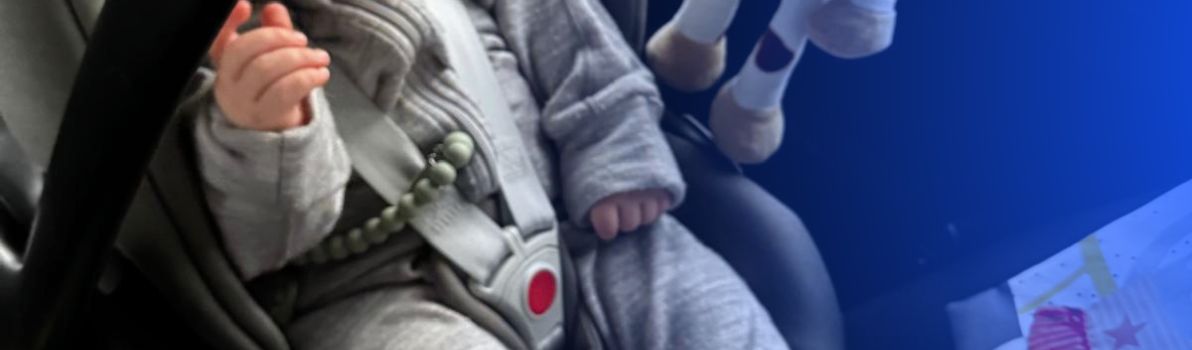
A child’s safety is a top concern for every parent and guardian. Traffic accidents can occur suddenly, which is why it is crucial to ensure that your child is always traveling in an appropriate car seat. A correctly installed car seat that fits your child’s age and size will protect them in dangerous situations in the traffic. This blog post discusses the safest way for a child to travel and what to do if a car seat has been involved in an accident.
Choosing the Right Car Seat for Your Child
The choice of a car seat is primarily based on the child’s age, height, and weight. In Finland, the law requires children under 135 cm tall to use a safety device. However, the Finnish Traffic Safety Organization (Liikenneturva) recommends using a suitable safety device until the child reaches a height of 150 cm. For the safest travel, children should ride in the back seat, facing rearward, for as long as possible, at least until the age of four. A rear-facing car seat should never be placed in the front seat if the airbag is active. Always check the car seat’s user manual to see where and how it should be installed.
Improperly installed seats, loose straps, or thick winter clothing can prevent the car seat from functioning correctly in accidents.
Why Rear-Facing?
Children’s heads are significantly heavier in proportion to their bodies and their necks are more fragile compared to adults. At the age of one, a child’s head accounts for 25% of their total body weight, while an adult’s head is only about 6% of their body weight. For this reason, a rear-facing seat is the safest option, as it provides the best possible support for the head and neck area during an accident. *
Choosing a Car Seat Based on Age and Size
Infant Car Seat:
The infant car seat is specifically designed for babies and is installed rear-facing to provide optimal protection for the baby’s neck during sudden stops or collisions. Check the infant car seat’s manual to see the recommended weight and height limits.
Rear-Facing Car Seat:
Once the infant car seat starts to get outgrown, it’s time to switch to a rear-facing car seat. Liikenneturva recommends keeping children in a rear-facing car seat for as long as possible, at least until the age of four years old. Rear-facing seats come with various height and weight limits, depending on the seat’s features.
💡 Tip: If you want to avoid purchasing multiple rear-facing seats, choose one with higher height and weight limits, so your child can continue riding rear-facing even after turning four years old.
Like the infant car seat, a rear-facing car seat also protects the child’s delicate neck. As the child grows, it is acceptable for their legs to be bent, and this does not cause a safety risk. Liikenneturva reminds that bent legs are not a valid reason to switch to a forward-facing car seat too early.
High back Booster Seat:
After outgrowing the rear-facing car seat, the child will transition to a high back booster seat. Liikenneturva recommends using a high back booster seat until the child reaches 150 cm in height. A high back booster seat ensures that the seatbelt is positioned correctly and provides additional protection in side-impact collisions. The lower part of the seatbelt should go over the child’s pelvis (not the stomach) and the shoulder belt should cross over the shoulder. The shoulder belt should never be placed under the arm. Adjusting the headrest of the high back booster seat ensures that the seatbelt fits properly on right height.
After a Collision
Liikenneturva recommends replacing a car seat after any collision, as the damage caused by the crash may not always be visible. The base of the car seat can also be damaged internally, even if there are no outward signs of harm. This can reduce the seat’s effectiveness and safety during future trips. Always check with your insurance company regarding their policies on car seat replacements.
Copart shares Liikenneturva’s view and points out the importance of following the manufacturer’s recommended lifespan for car seats. Copart frequently receives total loss vehicles that still contain car seats. Once a vehicle is deemed a total loss, the car seats are removed, their straps cut, and the seats are properly disposed. This prevents damaged seats from being reused, which could put future users at risk.
Prioritizing safety is essential and ensuring that car seats are in proper condition plays a crucial role in overall road safety.
*Source: Liikenneturva